Volvo Air Conditioning Repair in Somerville, NJ
If Your Cabin Never Quite Cools Down, Something in the System Has Changed
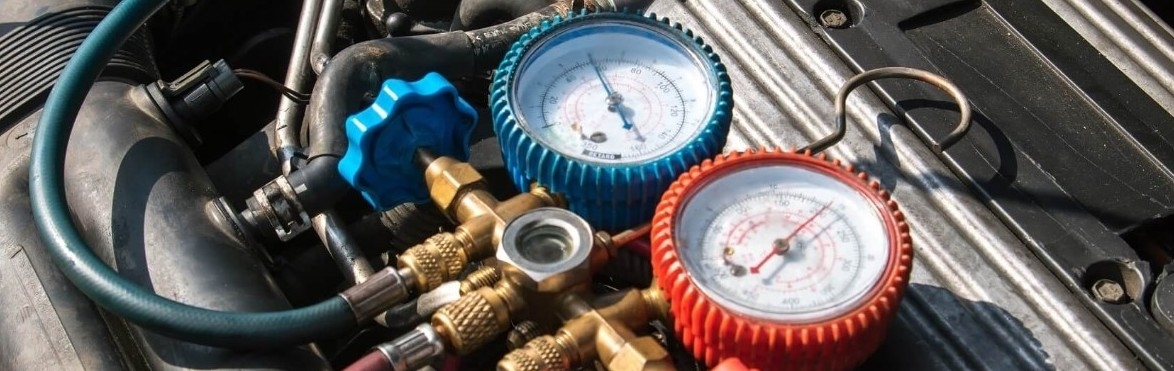
An air conditioner that takes longer to cool than it used to is giving you an early warning, and it's one worth listening to. Volvo Cars Bridgewater repairs climate control systems in Somerville for Volvo drivers and for owners of all makes and models. Every visit begins with testing: our technicians read system pressures, check vent temperatures, and pull any stored codes before they recommend a single part. Knowing the actual cause means you pay for one repair instead of a string of guesses. Whether the air is warm, weak, noisy, or smells a little off, we'll track down where the trouble starts.
How Your Volvo Keeps the Cabin Cool
Think of your AC as a heat mover rather than a cold maker. Refrigerant soaks up warmth from the air inside the cabin, carries it to the front of the car, and releases it outside. The cool air you feel is simply what's left once that heat is gone.
The whole process depends on changing pressure. The compressor squeezes refrigerant into a hot, high-pressure gas, and the condenser cools it into a liquid. When that liquid passes through a small metering valve into the evaporator, the pressure drops sharply and the refrigerant boils back into vapor, pulling heat out of the air flowing across it.
- Refrigerant: the working fluid, charged by exact weight rather than by feel
- Compressor oil: travels with the refrigerant and keeps the compressor's internal parts lubricated
- Pressure sensors: tell the climate module when pressures are too high or too low to run safely
- Condenser fans: pull air across the condenser when the car is moving slowly or sitting still
- Blower and blend doors: control how much air reaches you and how much of it passes over the heater core
On gas and mild hybrid Volvos, a belt from the engine drives the compressor. Plug-in hybrids and EVs rely on an electric compressor fed by the high-voltage system, which lets the cabin cool even when the engine is off. Those compressors require a specific insulating oil, and the wrong product can create electrical faults.
Your AC also runs more often than most people realize. Select defrost on a damp morning and the compressor usually switches on to dry the air, which is why a failing system can show up as foggy glass in October just as easily as warm air in July.
Why an Air Conditioner Stops Doing Its Job
Refrigerant loss is the most frequent cause of weak cooling, and it always has a source. Vibration, heat cycles, and age slowly harden rubber seals, while the condenser takes a steady beating from gravel and salt spray kicked up on Route 22 and I-287.
Electrical faults make up the next big group. A blown fuse, a failed relay, or a pressure sensor sending bad data can keep the compressor from running even though the refrigerant charge is full.
- Cooling that drops off after a long drive and comes back once the car sits for a while
- A rattle or squeal that starts the moment the AC is switched on
- Airflow that feels weak even with the fan set high
- Foggy windows that are slow to clear with the defroster running
- A climate control message in the driver display
Airflow problems can masquerade as cooling problems. If ice forms on the evaporator, it blocks the air passing through, and the vents seem to lose power until the ice melts. A clogged cabin filter or a failing blower motor can create a similar feeling, so the fix depends on which one is really to blame.
The longer a system runs low, the harder the compressor works with less oil reaching it. A small seal leak caught this month is a modest repair, while the same leak ignored until next summer can take the compressor with it.
Climate Control Repairs Handled by Our Own Technicians
Our service team covers every stage of air conditioning repair, from the first pressure test to a major component replacement, for Volvo owners and drivers of all makes and models.
AC Performance Test and Code Scan
This is where every air conditioning visit begins. The technician measures vent temperature, reads high- and low-side pressures, and watches how the compressor cycles with the vehicle running. A quick look at the climate module's stored codes shows whether any sensors or actuators have reported trouble. From those results, we can tell you whether the problem is refrigerant, electrical, or mechanical.
Leak Location and Seal Repair
Refrigerant doesn't disappear on its own, so a low charge sends us looking for the escape route. We use fluorescent dye, an electronic detector, and a close look at fittings, hoses, and the condenser face. Most leaks trace back to a tired O-ring, a cracked hose, or a damaged condenser. Once the leak is fixed, the system is vacuum tested and recharged to the exact weight your vehicle specifies.
Compressor, Condenser, and Evaporator Work
Major components do wear out, and replacing them correctly takes more than swapping the part. When a compressor fails internally, the system is flushed and the drier is replaced so debris doesn't circulate into the new unit. Evaporator replacement is a bigger job because the part sits deep inside the dashboard. We explain the scope, the parts, and the timeline before anything is ordered.
The Right Repair Starts With the Right Reading
An AC diagnosis should follow the evidence. Our technicians compare pressure readings against the outside temperature, confirm what the climate module is commanding, and then test the specific component the numbers point toward. It's a methodical process, and it's the reason our recommendations hold up.
Consider a driver who was told elsewhere that their compressor had died because it wouldn't engage. Before ordering anything, our technician checks the refrigerant pressure sensor and finds it reporting a reading far below what the gauges show. The module had been shutting the compressor off to protect it from a problem that didn't exist, and a new sensor restored cold air for a fraction of the cost.
- Gauge readings compared against outside temperature and humidity
- Electrical checks on fuses, relays, sensors, and the compressor drive
- A detailed estimate reviewed with you before any repair
- A vacuum hold test to confirm the system is sealed before recharging
When the work is done, the technician runs the AC through a full performance check and records vent temperature and pressures on your repair order. If something related turns up along the way, such as a worn drive belt, we note it for you without adding it to the bill.
Our service lane welcomes all makes and models, not only Volvos. With a scheduled appointment, most AC diagnostics and recharges wrap up in a single day, and we'll let you know right away if a part has to be ordered.
What Volvo Owners Can Expect From Our AC Department
From the four-zone climate control available on the XC90 to the compact EX30, Volvo climate systems vary more than most drivers expect. On electrified models, the refrigerant circuit also works alongside the system that keeps the high-voltage battery at a healthy temperature. We confirm your refrigerant type, oil specification, and charge weight by VIN so the service matches your exact car.
Timing depends on the diagnosis. A performance test and recharge is typically a same-visit job with a scheduled appointment. Component replacements take longer, and evaporator work can stretch past a single day because of the dashboard disassembly involved.
- Equipment for both R-1234yf and older R-134a systems
- Service procedures for electric compressors on plug-in hybrid and electric Volvos
- Genuine Volvo parts and factory repair information
Find Volvo Cars Bridgewater in Somerville, NJ
Keeping Somerset County Drivers Comfortable
Somerville sits at the center of a busy web of highways, and long waits in summer traffic on Route 22 and Route 206 are tough on any air conditioner. Drivers from these nearby towns trust our team with their AC repairs.
- Bridgewater, NJ
- Raritan, NJ
- Branchburg, NJ
- Hillsborough, NJ
- Manville, NJ
- Bound Brook, NJ
- Somerset, NJ
- Bedminster, NJ
If the cooling has started to slip, schedule a visit online or call and we'll find a time that works.
What Drivers Want to Know About AC Repair
Volvo owners and drivers of other makes and models bring us these questions all the time.
Q: Why does my AC blow cold on one side and warm on the other?
Q: My AC works for a while and then fades. What's going on?
Q: How often should my car's AC be serviced?
Q: What will a technician check when I bring my car to Volvo Cars Bridgewater for AC trouble?
Q: I don't drive a Volvo. Can you still fix my air conditioning?
Not sure whether your symptom is serious? Call the service desk, describe the symptom, and one of our advisors can help you decide what to do next.
A quick call can save you a second trip.
Get Your AC Checked at Volvo Cars Bridgewater
Ignoring a weak air conditioner doesn't make it cheaper to fix later. Every week it runs low on refrigerant, the compressor loses a little more lubrication, and moisture has more time to work its way into the system.
Our process is simple. We test, explain the results in plain language, and wait for your approval before any repair begins.
Reserve a time on our website, reach the service team by phone, or stop in and speak with an advisor. Once the cause is clear, getting your cabin comfortable again is usually straightforward.
Service Specials

Oil Change
With Multi-Point Inspection

Wild Card

Front or Rear Brake Pads
Replace front or rear pads,Inspect discs, calipers, lines, hoses, cylinders, and master cylinder