Volvo Coolant System Services in Somerville, NJ
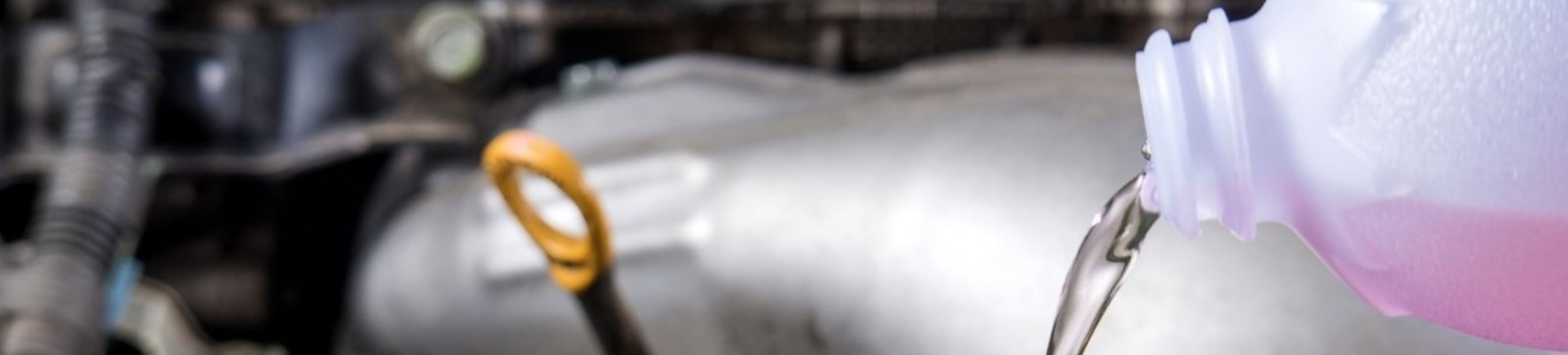
Safer Daily Driving Starts With Your Cooling System
A cooling system is built from parts that quietly age, and the first sign of a tired water pump or a brittle hose is often a temperature needle sitting higher than it used to. At Volvo Cars Bridgewater in Somerville, NJ, the service team inspects cooling systems on all makes and models as a set of wear parts, each with its own way of failing. The technician looks before recommending anything, starting with the pump seal, the hose walls and clamps, the radiator end tanks, the thermostat housing and the airflow path through the front of the car. What turns up is shown to you along with the reason it matters. Only the parts that have actually worn go on the estimate.
How the Rest of the Vehicle Relies on Your Cooling System
Most of a cooling system is made of materials with a limited service life. Rubber hoses, molded plastic tanks, gaskets and the seal inside the water pump all live through constant heat cycles, and each cycle takes a little out of them. The coolant itself can be in fine shape while the parts holding it are near the end of their run.
The water pump shows how this aging works. A spinning shaft passes through a seal into the coolant, and a small weep hole below that seal lets a trace of fluid escape once the seal starts to give way. A crusty trail under that opening, or a faint grinding from the pump bearing, usually appears well before the pump stops moving coolant.
- Hoses tend to fail from the inside out, so one that looks fine can still feel soft, spongy or swollen near its ends when squeezed with the engine cold.
- Clamps lose their grip as the rubber under them takes a permanent set, and that is where many seeps begin.
- Radiator tanks on many cars are molded plastic that darkens and turns brittle with age, so a hairline crack can open near a hose neck with little notice.
- Thermostat housings and coolant pipes on many current engines are plastic as well, and they can warp or crack where they bolt against hot metal.
- The air conditioning condenser usually sits directly in front of the radiator, so anything that blocks one layer starves the other of air.
Air has to pass through several layers before it reaches the engine. On most cars the condenser comes first, then the radiator, sometimes with an oil or transmission cooler alongside, and the fans pull air through the whole stack when the car is barely moving. Leaves, seeds, insects and grit collect in the narrow gap between those layers, where nobody can see them through the grille.
A full reservoir feels like proof that all is well, yet it only proves the level is right on that particular day. A hose can be soft enough to burst, a pump seal can be close to leaking and a plastic tank can be cracking without a drop of coolant going missing yet. Level describes the past, while a hands-on inspection tells you what is likely to fail next.
What Changes as Cooling System Wear Builds Up
Worn cooling parts usually drop hints before they fail outright. Some are things you see, such as crust or stains, and others are things you hear or feel, like a new noise at the front of the engine or a needle that sits a little higher when traffic slows to a crawl.
Where a hint shows up says a lot about which part is tired. A stain or dried crust low on the engine behind the drive belt points toward the water pump, while dampness at a hose end or along the edge of the radiator points toward a clamp or a tank seam. A needle that climbs only while crawling and settles once the road opens up is more about airflow than about coolant.
- A light grinding or whirring from the front of the engine that rises and falls with engine speed, a hint that the pump bearing is wearing.
- Pink, green or orange crust on a clamp, a radiator seam or the thermostat housing, left behind where coolant seeped out and dried.
- A hose that has visibly bulged near its clamp or that feels mushy when pressed with the engine cold.
- A temperature needle that drifts above its usual spot in stop-and-go traffic, then drops back once the car is rolling again.
- A small drip of coolant on the driveway that lands in the same spot after every drive.
Before any part gets blamed, the technician confirms the fans run when they should and compares the dash gauge with a direct temperature reading taken with a scan tool or an infrared thermometer. A sensor sending a false reading can make a healthy system look hot, and a fan with a failed motor or relay can make a clean radiator look clogged.
If the needle starts to rise on the road, switch off the air conditioning to take that load off the front of the car, and set the cabin heat to its warmest setting with the blower high so the heater core sheds some engine heat. Should it keep climbing, pull over somewhere safe and shut the engine off. Leave every cap closed until the engine has cooled completely, since coolant under pressure can spray out scalding hot. Pressing on with the needle pinned is how a tired hose turns into a damaged cylinder head.
Ways Volvo Cars Bridgewater Can Help With Your Cooling System
Each visit below starts from a different clue, whether that is a part you can see seeping, a noise from the pump or a needle that climbs in traffic.
Water Pump Bearing and Seal Check
The technician looks for crust or dampness below the pump's weep hole and listens at the front of the engine with a stethoscope for bearing noise. On pumps turned by the accessory belt, the pulley is rocked by hand to feel for play, and the belt and tensioner are looked over at the same time. Pumps driven by a timing belt or chain are judged from the outside first, since reaching them is a much bigger job. You hear whether the pump is healthy, starting to weep or close to failing, along with what a replacement would involve.
Hose, Clamp and Radiator Tank Inspection
Every coolant hose is squeezed with the engine cold to find soft, swollen or hardened sections, and each clamp is checked for a seep or crust at its edge. The radiator's plastic tanks are inspected along their seams and around the hose necks, where cracks most often start. The thermostat housing and any plastic coolant pipes get the same close look, since they sit against hot metal all day. You get a list of what is aging, what can wait and what should be replaced before it splits.
Radiator Airflow and Fan Operation Test
When the needle climbs mostly in slow traffic, the technician checks whether air can actually pass through the condenser and radiator. A light shone through the stack from behind, along with a look into the gap between the layers, reveals packed leaves, seeds or flattened fins. The fans are switched on through a scan tool so each speed can be verified, and the shroud and air guides are checked for missing pieces. Cleaning the stack with gentle water or air is quoted only when a blockage is confirmed.
Our Method for Cooling System Repair Near Somerville
The inspection begins with a question about when the needle moves or where you have spotted stains, because those clues decide where the technician looks first. Hoses and caps are checked with the engine cold, and then the engine is warmed up to watch the fans and listen to the pump.
Take an owner whose crossover runs a little hot only on summer afternoons, crawling along Route 22 near Bridgewater Commons with the air conditioning on, while the needle stays normal on the open highway. A top-off of coolant is the first fix tried, followed by a suggestion that the radiator itself is failing. On the lift, a work light held behind the radiator barely glows through, because seasons of leaves, cottonwood fluff and grit have packed the gap between the condenser and the radiator. A careful cleaning of that gap restores the airflow, and the needle stays put in traffic with no parts replaced.
- Hoses, clamps, tank seams and the thermostat housing are inspected cold, by hand and by eye, before the engine is started.
- The water pump is checked for weeping at its weep hole and for bearing noise or pulley play with the engine running.
- Fan speeds are commanded with a scan tool, and airflow through the condenser and radiator is inspected from both sides.
- Findings are sorted into replace now and watch for later, and the estimate waits for your approval before work begins.
After a hose, pump or tank repair, the system is refilled with the coolant the engine was designed to use, and trapped air is bled out by the procedure for that engine. The technician then idles the car to full temperature, watches the fans cycle and looks over every disturbed connection once more after it cools.
A minivan with a seeping clamp and a pickup with a noisy water pump can share the same morning in these bays, since this department looks after all makes and models. Swapping a hose or clamp usually wraps up before evening when the schedule and parts allow, though radiators and pumps for some vehicles have to be ordered, and you hear about that before anything comes apart.
Cooling System Repair at Volvo Cars Bridgewater in Somerville
Volvo owners get one more layer of care here, which is a parts lookup by VIN. Coolant hoses, pipes and radiators can differ between engine versions of the same model, so the service team at Volvo Cars Bridgewater matches each replacement to your car's VIN to keep the original routing and fittings. On an XC60 or an S60, that lookup also brings up the factory repair procedure for draining, filling and bleeding that exact engine.
Volvo diagnostic software can command the cooling fans and report live temperature data, which helps separate a fan fault from a blocked radiator stack. Your advisor can explain which of those checks apply to your model.
- Genuine Volvo hoses, clamps and radiators can be ordered when you want parts built to the original fit.
- Volvo technical bulletins about cooling components are reviewed for your build before a replacement is recommended.
- Each inspection is added to your service history, so the next visit can tell whether a seep has grown.
Find Volvo Cars Bridgewater in Somerville, NJ
Cooling System Repair Customers From Towns Near Somerville
Summer backups on Route 22 near Bridgewater Commons are where a cooling system with worn parts or a clogged radiator stack usually shows its first warning, long before a highway run would. Drivers from Somerville and the surrounding Somerset County towns bring that slow-traffic needle to Volvo Cars Bridgewater so the cause is found before a hot afternoon turns into a tow.
- Bridgewater, NJ
- Raritan, NJ
- Bound Brook, NJ
- Branchburg, NJ
- Hillsborough, NJ
- Manville, NJ
- Green Brook, NJ
- Middlesex, NJ
A look at aging hoses and the pump beats waiting on the shoulder for a tow truck.
What Drivers Want to Know About Their Cooling System
Owners who come in about worn cooling parts or a needle that creeps in traffic usually ask some version of the questions below.
Q: Which cooling parts tend to wear out first as a car gets older?
Q: Can leaves and debris really make an engine run hot?
Q: Should the water pump be replaced along with a timing belt?
Q: Why would a plastic radiator tank crack with no warning?
Q: Does the hose and pump inspection apply to cars from other manufacturers too?
Mention the stain, the noise or the traffic pattern you noticed when you call, and the advisor can point the technician toward the right part first.
Noting whether the needle climbs only with the air conditioning running helps too.
Put Cooling System Repair on the Calendar
Worn cooling parts tend to quit at inconvenient moments, often with the car loaded up and far from home. A soft hose or a weeping pump replaced on a planned visit is a small job compared with a split hose that dumps the coolant on the shoulder of a highway.
You see each finding and the estimate before any part is replaced, and you decide what gets done now. Parts that still have life left are noted for a future visit.
Let the Volvo Cars Bridgewater service team know which clue brought you in, and the cooling inspection can be set up around it. If the needle is climbing today, say so first so the car can be looked at promptly.
Service Specials
Oil Change
With Multi-Point Inspection
Wild Card
Front or Rear Brake Pads
Replace front or rear pads,Inspect discs, calipers, lines, hoses, cylinders, and master cylinder