Volvo Oil Change Services in Somerville, NJ

Small Oil Problems Grow When They Wait
A car that spends most of the week parked can need an oil change long before its odometer says so, because oil keeps aging while the engine sits still. The service department at Volvo Cars Bridgewater in Somerville, NJ changes oil on all makes and models, from a daily commuter to a weekend car that rarely leaves the garage. Each visit opens with a diagnosis-first conversation about how often the car is driven and whether any spots have appeared where it parks. The technician then studies the old oil and the underside of the car before anything new goes in. That way a seep or a moisture problem gets found and explained, not hidden by a fresh fill.
The Engineering Behind Your Engine Oil
Engine oil does not stay fresh just because a car stays put. Each time a cold engine starts and shuts off before it fully warms, water vapor from combustion condenses inside the crankcase and mixes into the oil, where it lingers until a long drive boils it away. Over weeks of rare or brief outings, that water and the acids it helps form slowly use up the additives meant to protect metal surfaces.
Put simply, oil ages on the calendar as well as on the odometer. A car that covers few miles can look as if its oil has plenty of life left, while the oil inside has spent a long season soaking up moisture and acidic byproducts. Wear from that kind of aging happens quietly, and nothing on the dashboard reports it.
- A creamy, pale film on the underside of the oil filler cap usually means the engine seldom runs long enough to dry itself out.
- Combustion byproducts turn acidic in oil that sits, and they gradually exhaust the additive package that is supposed to neutralize them.
- Rubber seals and gaskets stay supple partly because oil keeps them wetted, so long stretches without running can let some of them shrink and harden.
- A car parked outdoors through humid weather can draw more moisture in through its crankcase ventilation than one kept in a dry garage.
- Oil can still look clear and clean at the level check after its additives are spent, because that chemical wear does not change its color.
Plenty of cars around here now fit this pattern. A household where one partner works from home may leave the second car in the driveway most of the week, a rail commuter may drive only the short hop to the station and back, and a weekend car may sit under a cover between outings. Each of these piles up cold starts and calendar time far faster than miles.
Low mileage feels like a good reason to put off an oil change. The logic seems sound, since fewer miles should mean less wear, but the oil in a rarely driven car is breaking down from moisture, acids and time even while the odometer barely moves. Waiting for the distance to catch up can leave tired oil in the engine far longer than its maker intended. For these cars, the date of the last change matters as much as the distance since it.
Oil Warning Signs for Drivers Around Somerville
A spot on the driveway or the garage floor is often what finally sends an owner to the service desk. Before blaming any one system, it helps to note where the spot sits under the car and to slide a sheet of white cardboard beneath the engine overnight so the color shows clearly.
Each fluid in a car has its own color, feel and smell, and together those clues narrow down the source quickly. Engine oil runs from honey-colored when new to dark brown or black when used, and it feels slick between the fingers. Several other fluids can drip from the front half of the car too, and at first glance they do not always look like oil.
- Amber to black and slippery, under the engine itself, is usually motor oil from a pan gasket, a valve cover or the filter seal.
- Reddish or pink and thin, often a little farther back, is commonly automatic transmission fluid, though some newer fluids are amber or another tint.
- Red, amber or nearly clear with a faintly burnt odor, toward the front, can be power steering fluid on cars that still use hydraulic steering assist.
- Green, orange, pink or blue with a sweet smell is engine coolant, which deserves prompt attention because it is toxic to pets.
- Clear, odorless water under the front passenger side after the air conditioning has run is usually normal condensation, not a leak at all.
Colors are a starting point and not a final answer. Fluids darken with age and pick up road grime on the way down, and a seep high on the engine can run along a hose and drip somewhere misleading. A technician wipes the suspected area clean and follows the wet trail back up to where it truly begins.
Getting a fresh spot looked at soon keeps the fix modest. A seeping hose or gasket usually gets worse with time, and a transmission or steering system left low on fluid can damage parts that cost far more than the leak itself. A quick inspection also tells you whether the spot is anything to worry about in the first place.
Hands-On Oil Care Near Somerville
Low-use cars, cars headed into storage and cars leaving mystery drips each get their own kind of visit below.
Low-Mileage and Garage-Kept Car Oil Service
Cars that spend most of their time parked get an oil service planned around the calendar as much as the odometer. After a short warm-up so moisture and sludge leave with the old oil, the technician drains it and looks at both the oil and the filler cap for signs of condensation. A new filter and the oil your engine's maker specifies go in, and the level is read again once the engine has run and rested. Your advisor then talks through how the car is really used so the next visit is timed sensibly.
Driveway Drip Source Check
When a spot shows up under the car, this visit finds out which fluid it is and where it comes from. The technician raises the car, cleans the suspect areas and inspects the oil pan, the transmission lines, any steering hoses and the cooling system connections. Where the source is hard to see, a tracing dye can be added and checked after a short drive. The source and the fix are both explained to you, and the repair waits for your go-ahead.
Pre-Storage and Return-to-Road Oil Service
Owners who park a weekend car or a spare vehicle for a long stretch can have the oil changed before it goes into storage, so used, acidic oil is not left resting against bearings. When the car comes back out, the technician reads the oil level, looks for seeps from seals that may have dried and inspects the tires and brakes for the effects of sitting. A look for rodent nesting under the hood and in the air intake is worthwhile too. Your advisor can suggest what makes sense for how long the car will be parked.
The Order of Work for Oil Change Service
The visit starts with how the car is truly used. Your advisor asks whether it sits all day in the lot at Somerville station while you ride the Raritan Valley Line, makes only short errands, or stays parked for days at a time, because a low-use car raises different questions than a daily commuter does.
Take an owner in Bridgewater who finds a dark puddle under the front of the car a few days after an oil change and decides the last shop must have been sloppy. Once the underside is wiped down, the oil pan and filter area turn out bone dry. Blotted on a paper towel, the fluid is reddish and not amber, and the wet trail leads to a transmission cooler line seeping at a connection low on the radiator, or on a different car to a power steering hose sweating at a crimp. Replacing that line ends the puddle, while another oil change would have left it dripping.
- The underside is checked for wet spots before any oil is drained, so an existing leak is noted and never confused with the new service.
- The filler cap and the draining oil are both inspected for a milky tint, a sign of condensation from short or infrequent drives.
- A new filter and the specified oil go in, and the level is set only after the engine has run and then sat off for a short while.
- Hoses and lines near the pan, including the transmission cooler lines and any steering hoses, get a quick look for seepage while the car is up.
With the work finished, the technician wipes the underside dry so any spot you find at home later can be traced quickly. Your advisor shares what was seen while the car was raised and suggests when the next oil change should happen based on your driving, with any added work left for you to approve.
A pickup that spends the workweek in the driveway, a sedan left at the station lot and a weekend roadster all get the same unhurried oil procedure, since the department services all makes and models. Morning drop-offs, when the schedule and parts allow, are often back in your hands by evening. A long-stored car may need extra hours for its return-to-road checks.
Oil Change Service Done Carefully at Volvo Cars Bridgewater in Somerville
Volvo owners who drive very little get a few extra checks when the work happens at Volvo Cars Bridgewater. The oil specification and the correct filter are pulled from Volvo parts information using your VIN, and the technicians follow Volvo's published repair procedures for the drain, the fill and the level check. The VIN is also run against open Volvo service campaigns and technical bulletins, so a campaign on a rarely driven XC40 or S60 is not missed simply because the car seldom visits a shop.
Cars that sit can go a long time between visits, so open campaigns and updated bulletins tend to pile up unnoticed. Each visit is also written into the record Volvo Cars Bridgewater keeps for your car, so the next advisor sees the date of the last oil change at a glance, the detail that matters most on a low-use car.
- Some Volvo engines use a replaceable filter element inside a housing with its own seal, and the technician removes and refits that housing with the tool and procedure Volvo specifies.
- Any open service campaign found during the VIN check is explained, and your advisor can tell you how to have it completed.
- A Volvo technical bulletin that applies to your engine's oil system is checked as part of the visit, so a known fix is not overlooked.
Find Volvo Cars Bridgewater in Somerville, NJ
Driving In for Oil Change Service From Nearby Towns
Quick trips along Main Street, errands near the historic Somerset County Courthouse and a short drive to catch the train add up to plenty of starts and very few miles. Households in Bedminster, Far Hills, Bound Brook and Hillsborough count on Volvo Cars Bridgewater once that pattern has left their oil older than the odometer suggests.
- Bridgewater, NJ
- Raritan, NJ
- Branchburg, NJ
- Bedminster, NJ
- Far Hills, NJ
- Bound Brook, NJ
- Martinsville, NJ
- Hillsborough, NJ
A car that seldom moves still deserves an oil change on a sensible schedule.
Quick Answers About Oil Change Service
The questions below come up most from owners whose cars are driven little, plus a few about spots on the driveway.
Q: Does a car that is barely driven still need its oil changed?
Q: How can I tell what fluid is leaking under my car?
Q: What does a milky film under the oil filler cap mean?
Q: Is idling a parked car in the driveway a good way to keep the engine healthy?
Q: Will the department handle a mixed garage of different brands?
Give the service desk a call with the color of the spot under your car or a note on how rarely it gets driven, and an advisor can plan a visit that fits.
A photo of the drip on cardboard helps as well.
Time to Book Oil Change Service
Oil that has sat in an engine for a long time keeps aging even while the odometer stands still. Changing it on time for a lightly driven car costs little next to the bearing and seal wear that old, acidic oil can cause.
Your advisor explains what the technician found under the car and quotes any repair on its own. Only the work you approve is done.
Let Volvo Cars Bridgewater know roughly how often the car is driven when you set the appointment. That one detail shapes how the oil service is timed going forward.
Service Specials
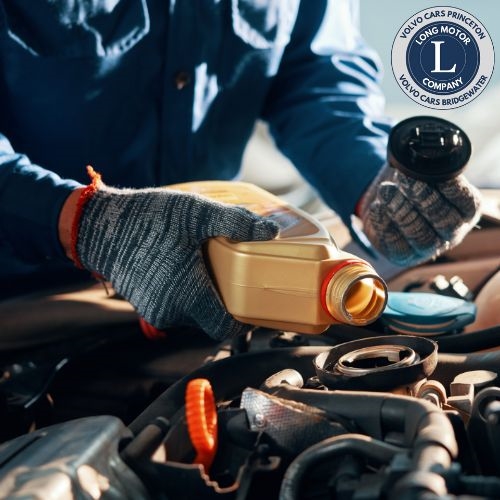
Oil Change
With Multi-Point Inspection

Wild Card
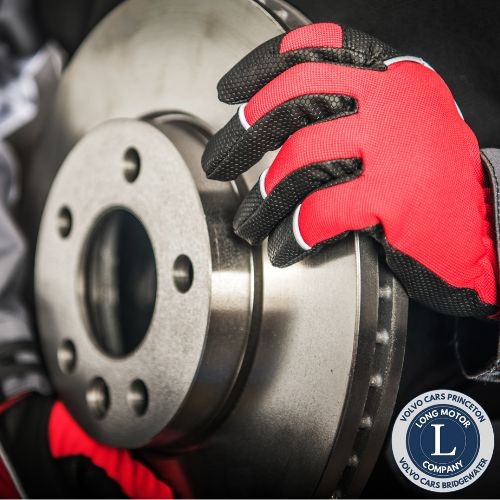
Front or Rear Brake Pads
Replace front or rear pads,Inspect discs, calipers, lines, hoses, cylinders, and master cylinder