Volvo Transmission Repair Services in Somerville, NJ
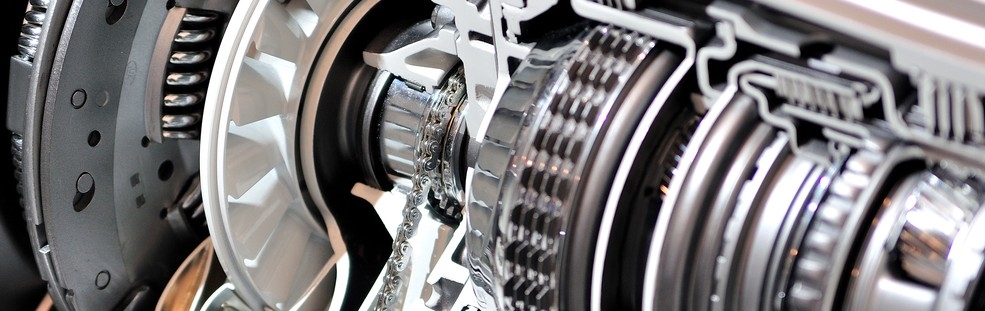
Do Not Let Transmission Warnings Linger
A transmission that runs low on fluid or keeps working hot can start to hesitate, slip or leave a reddish spot behind long before it fails outright. Technicians in the Volvo Cars Bridgewater service department in Somerville, NJ repair transmissions on all makes and models, and that includes SUVs that pull a trailer on weekends. Diagnosis comes first, with the fluid level checked the way the maker specifies, its condition read and the cooler lines inspected for any weep. A repair is proposed once that cause is clear, and not before. You hear the findings and approve each step.
Why Early Attention Pays Off for Your Transmission
Inside an automatic transmission, one fluid does several jobs at once. It carries the hydraulic pressure that applies the clutches, lubricates gears and bearings, and carries heat away from the parts doing the work. Of those jobs, managing heat is the one that decides how long the fluid stays healthy.
Heat is what ages transmission fluid. As it runs hot, the fluid oxidizes and loses the friction qualities that let clutches engage cleanly, and it can leave a varnish in the narrow passages of the valve body. A single long climb with a loaded car can take more out of the fluid than a great deal of easy cruising.
- Many transmissions send their fluid through a cooler, either a section built into the radiator or a separate heat exchanger, by way of metal and rubber lines along the front of the car.
- Those cooler lines flex as the engine rocks and sit close to road spray, so their fittings and crimped hose sections are common places for a slow weep to begin.
- A lot of current automatics have no dipstick, and the level is checked at a level bolt on the case with the car sitting level and the fluid inside a temperature window the maker sets.
- Because the fluid expands as it warms, a level read at the wrong temperature can look correct when it is actually short, or look low when it is full.
- Overheated fluid usually gives off a scorched odor and turns brown, while healthy fluid in most units stays a translucent red or amber.
Towing is the hardest test of that cooling system. A small trailer pulled up a long grade keeps the torque converter and clutches working under load, and the fluid can heat up far faster than the engine temperature gauge would suggest. Owner's guides usually list towing limits and may advise an added cooler or a lower gear on long hills, and following that advice protects the fluid better than anything else a driver can do.
Sealed sounds like leakproof, and plenty of owners assume a transmission without a dipstick cannot lose fluid. The case is closed off from casual topping up, not from wear, so seals, cooler lines and their fittings can still seep. With nothing to pull and read at home, a slow loss can go unnoticed until enough is gone to change how the car drives. Checking the level by procedure is the only way to know for certain.
What Somerville Driving Asks of Your Transmission
Low or overheated fluid tends to announce itself at the extremes of temperature. On a cold morning, thick fluid sitting at a short level can leave the pump briefly starved, and the car pauses before it moves. After a long climb on a hot day, tired fluid may let a clutch slip just as the load peaks.
Leaks leave their own trail. Transmission fluid is usually reddish when fresh and browner with age, and a weep from a cooler line tends to gather toward the front of the car, though airflow at speed can blow it back along the underside so the drip lands somewhere unexpected.
- A pause before the car creeps forward after you select drive, mostly on the first start of a cold day and fading once things warm up.
- Reddish or brown spots near the front of the car, or an oily film coating the cooler lines themselves.
- A transmission temperature warning on the display while towing or climbing a long hill.
- A sharp, scorched odor near the front of the car after hauling a trailer or a long uphill run.
- Gear changes that grow softer or later after the car has worked hard, then return to normal once it cools.
Not every slow takeoff is a fluid problem. A dragging brake caliper, a parking brake that has not fully released or a rough idle can each feel like a reluctant transmission. Checking the level by procedure and looking over the cooler lines first rules out the simplest causes before anything bigger is suspected.
Running a transmission short on fluid feeds the problem, since less fluid means less cooling and more heat for what remains. Booking a check at the first cold-morning delay or the first fresh spot often means the repair is a line, a fitting or a seal, not internal damage.
The Work Behind Transmission Repair at Volvo Cars Bridgewater
The visits below center on fluid level, heat and leaks, the three things that most often decide a transmission's health.
Procedure-Based Fluid Level Check
On transmissions without a dipstick, the level is set the way the maker intends, with the car level on the lift, the engine running and the fluid inside the temperature window the procedure names. The technician watches that temperature on a scan tool, removes the level check bolt and lets any excess run out or adds fluid until the level is right. The fluid's color and smell are noted along the way. If it turns out to be low, the next step is finding where it went.
Transmission Cooler and Line Leak Repair
Weeping cooler lines, loose fittings and a seeping cooler are traced on the lift once the area has been cleaned. The technician checks the crimped hose sections, the clips that hold the lines away from hot parts and the connections at the cooler and the case. Damaged lines or seals are quoted before replacement, and the fluid is then brought back up and set by procedure. A follow-up look after some driving confirms the area stays dry.
Towing and Heavy-Load Transmission Review
Owners who pull a small trailer or a boat, or load the car heavily for trips, can have the transmission's cooling setup reviewed for that use. The technician checks the fluid for signs of heat, inspects the cooler and the airflow path in front of it and confirms the towing guidance in your owner's guide. Where the maker offers an auxiliary cooler or a towing-related setting, your advisor explains it. Fluid replacement is suggested only when the fluid's condition shows it is due.
Checking Transmission the Careful Way
Your advisor starts by asking when the problem shows up and what the car was doing just before. A hesitation on the first cold start of the day, a warning while pulling a trailer down US-202 toward Flemington or a scorched smell after the climb into the hills around the Sourland Mountain Preserve each send the inspection in a different direction.
Think about a Hillsborough driver whose car sits for a beat after being put in drive on chilly mornings, then moves off normally once warm, and who has been told the transmission is wearing out. The scan shows no stored faults, and the level, checked by procedure inside the specified temperature window, comes up short. A thin wet film around a cooler line fitting shows where the fluid has been weeping away. Replacing that line and setting the level ends the delay without any work inside the case.
- Where possible the car is started cold, and the delay or symptom is felt and noted before anything is touched.
- Fault codes and live fluid temperature are read with a scan tool so the level check happens at the right moment.
- Cooler lines, fittings, the cooler and the case seals are cleaned and inspected for fresh wetness on the lift.
- You see the findings and a quote for each repair, and only what you approve is done.
After a leak repair, the level is set again by procedure, since a top-up done by guesswork can leave the unit overfilled or still short. Where time allows, the car is then checked from a cold start as well as on a warm drive, so both the engagement and the dry fittings are confirmed.
Whether it is a front-wheel-drive hatchback, a family SUV that tows a pop-up camper or a pickup used for work, the department repairs transmissions on all makes and models, and on an early drop-off its level checks and cooler line fixes often finish, when the schedule and parts allow, before the end of the day. If the diagnosis points deeper into the case, the timing is talked through with you before anything is opened.
Why Somerville Drivers Choose Volvo Cars Bridgewater for Transmission Repair
Volvo's own repair procedures spell out how the fluid level is set on its automatic transmissions, including the temperature window and where the level check bolt sits, and the technicians at Volvo Cars Bridgewater work from those procedures with the diagnostic equipment Volvo specifies. Replacement cooler lines, seals and the correct fluid are looked up by VIN through Volvo parts information, so each part matches your exact car, whether that is an XC90 or a V90 Cross Country. The same VIN check shows any open Volvo service campaign touching the transmission or its cooler lines.
Volvo technical bulletins sometimes describe a known leak point or a revised part, and reading them early can shorten the diagnosis. Past transmission work recorded at Volvo Cars Bridgewater stays on file under your car, so the next technician can see when the fluid was last serviced.
- Only the fluid type Volvo names for your transmission goes in, because automatic fluids differ in their friction properties.
- Owners who tow with an XC90 can ask about Volvo's towing guidance for that model and how it bears on fluid care.
- Open service campaigns on the transmission or related parts are pointed out at check-in so they can be handled during the same visit where parts allow.
Find Volvo Cars Bridgewater in Somerville, NJ
Transmission Repair Customers in the Wider Somerville Area
The roads that climb around the Sourland Mountain Preserve and the long run of US-202 south toward Flemington both put steady load on a transmission, especially with a trailer or a full car behind it. Neshanic Station and Whitehouse Station owners turn to Volvo Cars Bridgewater once those hills start showing up as a hesitation, a smell or a spot on the garage floor.
- Hillsborough, NJ
- Flemington, NJ
- Neshanic Station, NJ
- Branchburg, NJ
- Raritan, NJ
- Manville, NJ
- Bridgewater, NJ
- Whitehouse Station, NJ
A fluid level checked by procedure is a simple place to start.
Your Transmission, Explained Through Common Questions
Owners ask most about fluid, heat and leaks, and the questions below follow that lead.
Q: Why does my car have no transmission dipstick?
Q: Can I top up transmission fluid myself?
Q: What does a transmission temperature warning mean?
Q: Is it okay to tow a small trailer with an automatic SUV or sedan?
Q: Will the shop work on a transmission from any automaker?
When you phone, describe whether the delay or smell shows up cold, hot or while towing, and an advisor can line up the right inspection.
Mentioning any recent spots under the car helps as well.
Choose a Time for Transmission Repair
Fluid that is low or worn runs hotter, and heat is the main thing that shortens a transmission's life. A leak or tired fluid caught early usually means a modest repair compared with the clutches and seals it would otherwise wear out.
Before anything is replaced, your advisor goes over the level reading, the condition of the fluid and any leak that turned up. You approve each step yourself.
Tell Volvo Cars Bridgewater whether the car tows or climbs a lot of hills when you set the time. Knowing that ahead lets the technician plan the right checks.
Service Specials
Oil Change
With Multi-Point Inspection
Wild Card
Front or Rear Brake Pads
Replace front or rear pads,Inspect discs, calipers, lines, hoses, cylinders, and master cylinder